Electric vehicles worldwide - statistics & facts
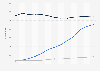
After years of steep market expansion, electric vehicles are slowing down. Since 2022, many European countries have started to roll back the financial incentives provided to consumers purchasing EVs, which has the potential to create a negative demand shock in various domestic markets. However, while growth rates are lower than in previous years, the market is still developing. Between 2023 and 2024, Europe (comprised of the European Union and European Free Trade Association) was the only region to record a contraction in EV sales, while other markets kept expanding.
Automakers worldwide will have to focus on clean fuel sources and sustainable supply chains. In 2015, Volkswagen experienced how disrespecting emerging environmental regulations may hurt its brand image. The company started delivering its electric ID.4 model in 2020 and consistently ranked among the best-selling EV brands. By 2024, the Volkswagen Group was the fifth leading battery-electric vehicle automaker worldwide.
Higher fuel prices drive EV purchase intentions
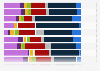
Various factors contributed to electric vehicles’ success. The global inflation rate remained above five percent in 2024, impacting consumers’ purchasing power and intentions. However, the high fuel prices were seen by over a third of global consumers as an incentive to buy an electric vehicle. The rising oil prices beat out environmental concerns as the leading factor motivating an EV purchase, suggesting that inflation has the potential to impact how consumers think about their own mobility. Among seven countries surveyed in December 2024, under half of consumers in China, South Korea, Japan, and the United Kingdom would prefer a fossil fuel engine in their next vehicle.Environmental framework
Government agencies are increasingly beginning to introduce limits on nitrogen oxide and carbon dioxide emissions. Automakers are expected to be penalized if they fail to meet these limits. Despite the new regulations, standards, and goals in effect, opponents are right to criticize that the sources of electricity employed to power electric cars, as well as the materials (including cobalt, nickel, and lithium) used in car batteries, are generally not considered when it comes to calculating a vehicle’s carbon footprint.The challenge of charging accessibility
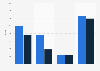
Electric vehicle accessibility is one of the challenges which could exacerbate consumers’ reliance on the regular power grid. Most car buyers surveyed expected to charge their vehicles at home. However, the cost of private charging installation was often perceived as prohibitive to consumers’ access to this type of charging. While range anxiety still ranked among consumers’ main concerns, answers to another survey suggest that the lack of charging stations in customers’ cities or routes was the leading factor discouraging EV purchases. This concern is not unfounded. Around 58 percent of the European population and 45 percent of the U.S. residents lived within one kilometer of an EV charger in 2024. This suggests there is room for improvement in some of the largest EV markets’ public charging infrastructure.Automakers worldwide will have to focus on clean fuel sources and sustainable supply chains. In 2015, Volkswagen experienced how disrespecting emerging environmental regulations may hurt its brand image. The company started delivering its electric ID.4 model in 2020 and consistently ranked among the best-selling EV brands. By 2024, the Volkswagen Group was the fifth leading battery-electric vehicle automaker worldwide.