Alcohol consumption in Canada - statistics & facts
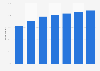
The Canadian alcoholic beverages market is in a state of flux, with changing consumer preferences leading to a shift away from beer towards other beverages like spirits, and ready-to-drink (RTD) options. Although beer is still the most popular drink among Canadians, its market share has declined over the years. Beyond the changing preferences in the market, alcohol consumption, as a whole, has decreased. Younger consumers are leading this change, just as they are elsewhere in the world.
Like in many other markets, consumers are increasingly considering the cost of alcohol consumption, both in terms of price and its impact on health. As consumers gravitate towards alternatives like non-alcoholic beverages and cannabis, it seems unlikely that alcohol will see a rebound in the near future.
Spirits are gaining market share
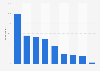
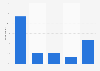
Beer is the beverage choice for most Canadians, accounting for a 35.1 percent share of the total alcoholic beverages market. Like in other markets though, its importance is diminishing. Its share of the market has slipped nine percent since 2011. Sales volume of beer declined in 2024 again, as it has for nearly every year. The wine market, whose share of the alcoholic beverages market has remained largely unchanged during beer's decline, was dominated by red wine, with sales reaching 3.88 billion Canadian dollars in 2024. White wine had comparatively low sales of 2.76 billion dollars in the same year, although its value has been increasing while red wine sales have been declining. Spirits and RTD alcoholic beverages have grown to fill the void left by beer, now accounting for 26.3 and 8.7 percent of the market. Spirits’ share has grown by over 13 percent since 2011 while RTD grew by 200 percent.Consumption is declining
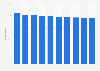
Canadians continued to decrease their consumption of alcoholic beverages in 2024, reaching the lowest level during the time period observed . Consumption stood at 88.2 liters per capita. This represents an overall reduction of nearly 18 percent since 2008. Beer consumption, in particular, has fallen drastically, losingover 28 percent since 2011. Wine consumption has fallen sharply in the last few years as well and even spirits consumption appears to have leveled off. A further hit may come to spirits as more than half of Canadians have indicated that they have either already stopped by U.S. spirits or plan to because of tariffs and comments about Canada by President Trump.Like in many other markets, consumers are increasingly considering the cost of alcohol consumption, both in terms of price and its impact on health. As consumers gravitate towards alternatives like non-alcoholic beverages and cannabis, it seems unlikely that alcohol will see a rebound in the near future.